Why Polyacrylamide is highly recommended in wastewater treatment?

We’re a polyacrylamide factory in central China, for 26 years, we focus on producing the anionic and cationic polyacrylamide and non-ionic types, mainly used for wastewater treatment and sludge dewatering. Premium performance at competitive price.
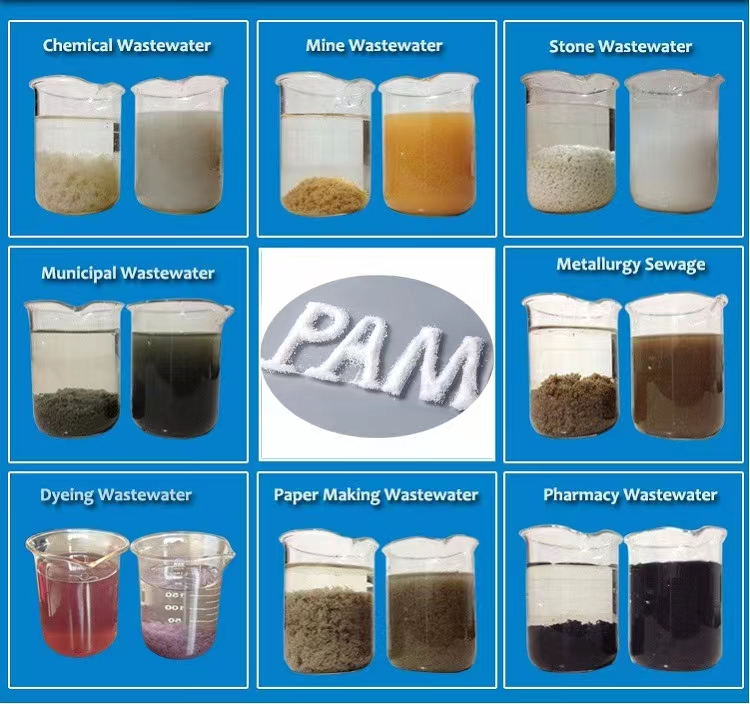
Polyacrylamide is highly recommended in wastewater treatment due to its unique properties and effectiveness in various applications. Here’s why it stands out:

1. ‌Superior Flocculation Performance

Polyacrylamide is widely used as a flocculant in wastewater treatment. It works by causing smaller particles to coalesce into larger flocs, which can then be easily separated from water through sedimentation or filtration‌5. This process is crucial for removing suspended solids, organic matter, and even some heavy metals from wastewater.

2. ‌Biocompatibility and Safety

Unlike some chemical flocculants, polyacrylamide is non-toxic and non-biodegradable, making it safe for use in water treatment systems‌1. Its inert nature ensures minimal environmental impact, and it does not produce harmful byproducts during the treatment process.

3. ‌Versatility and Efficiency

Polyacrylamide is effective across a wide range of wastewater types, including industrial effluents and municipal sewage. It can be tailored to specific needs by adjusting its molecular weight and charge, enhancing its ability to target different pollutants‌5. This adaptability makes it a preferred choice for both large-scale and specialized treatment applications.

4. ‌Longevity and Cost-Effectiveness

Polyacrylamide-based treatments are known for their durability, often requiring less frequent reapplication compared to other flocculants‌1. This reduces operational costs and maintenance efforts, making it a cost-effective solution for long-term wastewater management.

5. ‌Environmental and Regulatory Compliance

With increasing regulatory scrutiny on water quality, polyacrylamide’s safety profile and efficiency help facilities meet stringent environmental standards‌3. Its use aligns with sustainable practices by enabling the recovery and reuse of treated water.

In summary, polyacrylamide’s combination of effectiveness, safety, and adaptability makes it a highly recommended choice for modern wastewater treatment systems.

Let’s talk more about it: wa.me/8617737518864
PAM Chemical Pallet Loading & Bagging Solutions

Why Choose Our PAM Loading Solutions?

Enhanced Efficiency: Accelerate production cycles with automated processes that eliminate bottlenecks.

Cost Savings: Reduce labor expenses and material waste through optimized packaging and handling.

Reliability: Trust in a system built for durability, with minimal maintenance requirements.

Versatility: Adapt to diverse applications, from municipal water treatment to industrial wastewater management.

Get Started Today

For more details on our PAM chemical loading solutions, including pricing, technical specifications, or customized system designs, contact Rita directly.
📞 WhatsApp: wa.me/8617737518864
📧 Email: rita@xinqipolymer.com

#PAMChemical #IndustrialAutomation #WaterTreatment #ChemicalHandling #EfficiencySolution

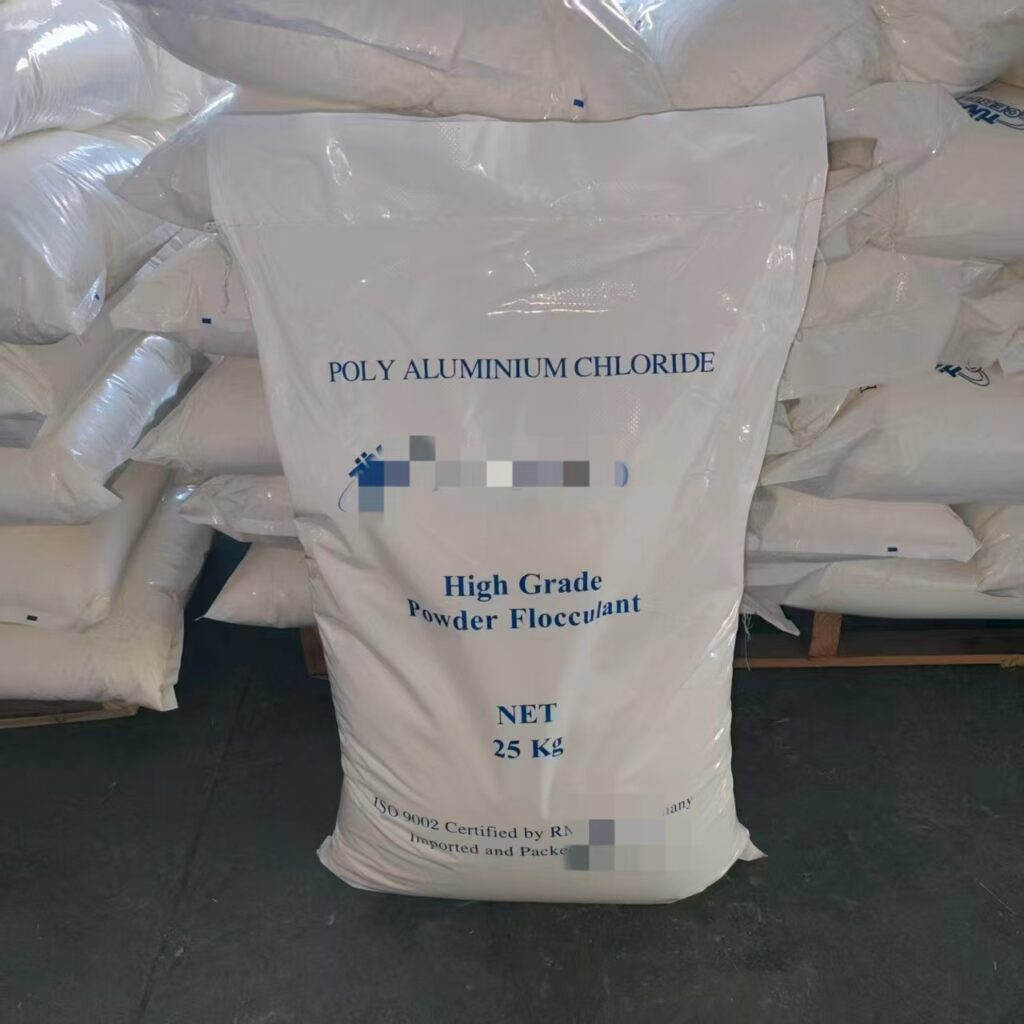
White PAC Powder Drinking Water Grade – Your Customized Solution for Pure Water

High Purity, Superior Coagulation, Customizable Packaging, Eco-Friendly white PAC powder, a high-performance coagulant designed for advanced water treatment applications, both for municipal water systems, industrial facilities, or residential use, this product ensures the removal of impurities, pathogens, and suspended solids, delivering crystal-clear water that meets stringent health standards.

Why Choose White PAC Powder?

From urban water treatment plants to rural community projects, this grade of PAC powder is trusted for its reliability and efficiency. Its white color and fine texture make it ideal for applications where visual clarity and consistency are paramount. By incorporating this product into your water treatment process, you can enhance filtration efficiency, reduce operational costs, and ensure compliance with international water quality guidelines.

Contact today: For more details on pricing, specifications, or customized packaging options, contact Rita directly.
📞 WhatsApp: wa.me/8617737518864
📧 Email: rita@xinqipolymer.com]

Don’t compromise on water quality – choose White PAC Powder Drinking Water Grade and experience the difference in every drop.

#PAC #watertreatment #drinkingwater #SWTP #WWTP #sewegeTreatment #coagulant #

Rita +86-17737518864

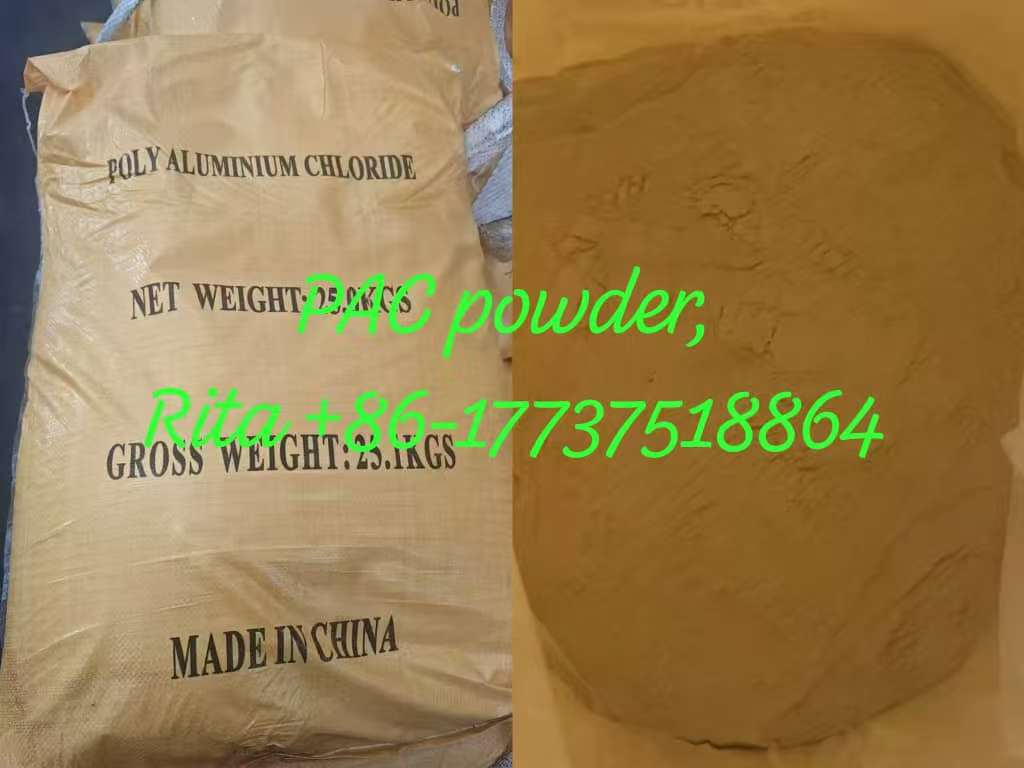
PAC+PAM chemical———-PAC quality and price

Dear friends, this is Rita from a 26-year experienced Polymer factory in China, selling PAM +PAC chemicals for wastewater treatment.

Today I’d like to share some about PAC.

PAC products are widely used coagulant, but color, valid content may be varied at different price.

For the same industrial Grade, if the weight varies, then:

  • light cargo, valid content a bit lower, can only load 20-21 tons;
  • heavy cargo, valid content higher, can load 25-26 tons;
  • valid content differ will lead to more dosage of chemical; If you can accept this cost, then it’s ok to buy lower price products.
  • But for international business, the freight is expensive esp. for PAC chemical. In my view, it’s better to use high content chemical with more container loadability. Freight per ton V.S. chemical price margin per ton

Hope you can contact Rita on Whatsapp: wa.me/8617737518864 for more details.

For the PAC products, is it always better to have low basicity?

Today let’s talk about something about the basicity of Polyaluminum Chloride(PAC) products. We all know, for the PAC products, basicity is also an important element in determining the final price. Then is it always better to use the low basicity PAC?

Well, basicity should be determined based on the specific application scenario; there’s no absolute “high” or “low” for best. The following are key criteria for determining effectiveness:

Application Scenario Determines Advantages and Disadvantages
Wastewater Treatment:
Highly turbid wastewater (such as printing and dyeing, and chemical wastewater) is more suitable for products with higher basicity, as they offer a more effective flocculation effect.

Using high-basicity products for low-turbidity water (such as drinking water) may cause turbidity, so a low-basicity product should be selected.

Production Cost:
Higher basicity reduces raw material consumption and reduces production costs. However, drinking water-grade products have higher environmental requirements, which can increase raw material costs.

Industry Standard Reference: The basicity of industrial-grade polyaluminum chloride is typically around 85-90%, while that of drinking water-grade products is around 45-60%.

Selection Principles
Water quality determines salinity: For high turbidity water, choose a high-basicity PAC; for low turbidity or drinking water, choose a low-basicity PAC.

Economic Considerations: High-basicity PAC offers lower costs, but a balance must be struck between effectiveness and stability.

Experimental Verification: Before practical application, the optimal salinity should be determined through pilot tests to avoid theoretical deviations.

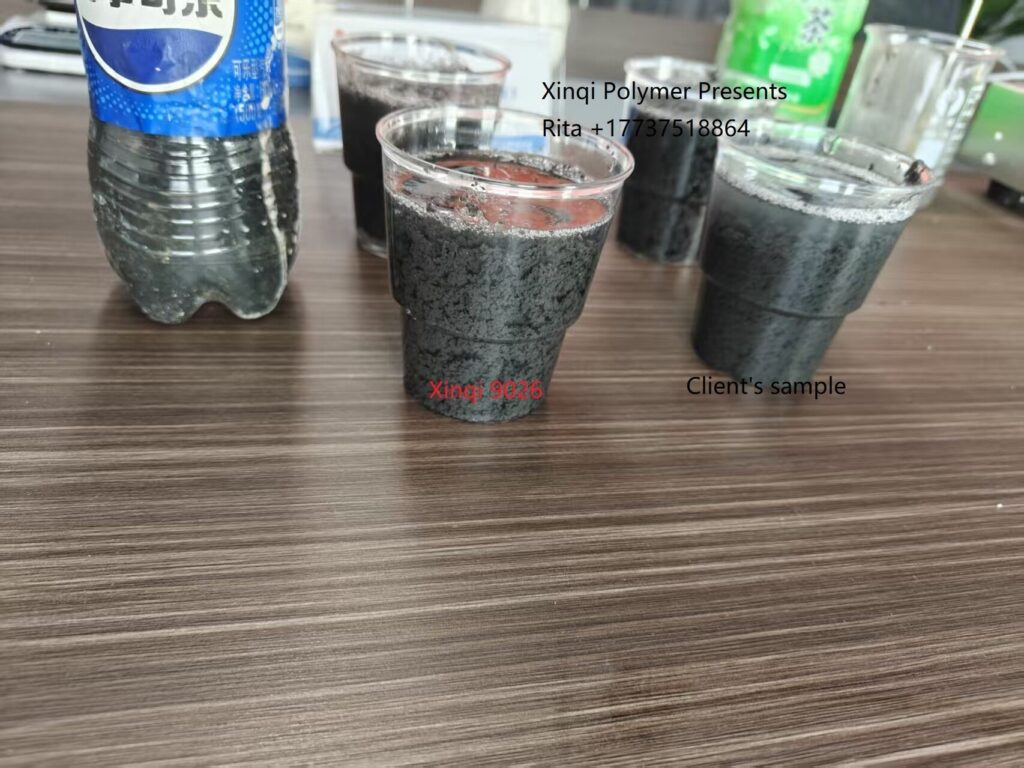
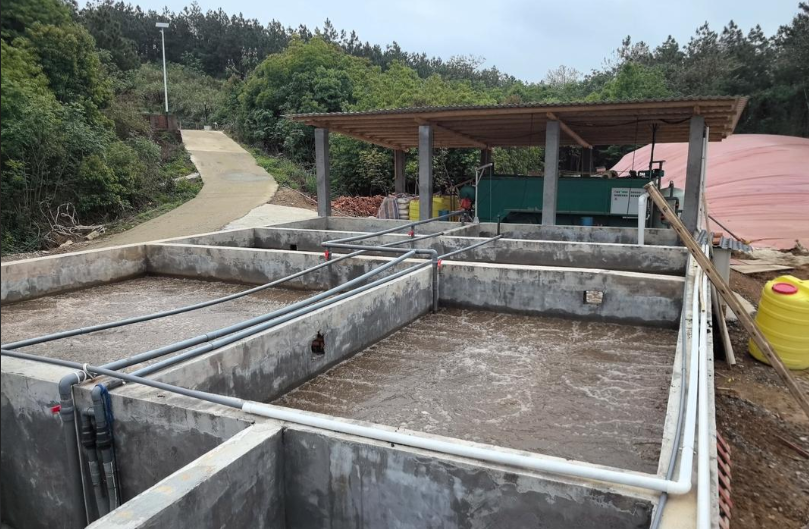
Effuent water treatment—PAC & PAM Applied

Influent and effluent treatment uses a variety of chemicals, including coagulants and flocculants like ferric chloride and aluminum sulfate to clump particles, disinfectants such as chlorine and ozone to kill microbes, and pH adjusters like lime and sulfuric acid to control acidity or alkalinity. Other chemicals like polymers and hydrogen peroxide are also used to aid in separation and break down contaminants. 

Coagulants and flocculants

  • Coagulants: These chemicals, like aluminum sulfate, ferric chloride, and polyaluminum chloride, neutralize the negative charge of suspended particles, causing them to clump together. 
  • Flocculants: Often polymers (like polyacrylamide), these are added to the water to bind the smaller clumps into larger, heavier particles called “flocs,” which can then be more easily removed by settling or filtration. 

We’ve been producing the cationic polyacrylamide for sludge dewatering, anionic polyacrylamide for waste water treatment for 26 years. Well ready for your call~

Rita

Gongyi Xinqi Polymer Co., Ltd.
www.xinqipolymer.com
Whatsapp: +86-17737518864 wa.me/8617737518864
Email: rita@xinqipolymer.com

Can PAM be used in seawater desalination?

Application Scenarios
PAM is primarily used as a flocculant in the pretreatment stage of desalination, removing suspended solids, colloids, and organic contaminants from raw water to improve water quality and reduce the burden on subsequent treatment processes (such as reverse osmosis membranes).

Product Types
Based on their ionic properties, PAMs are categorized into three types: anionic, cationic, and nonionic. Nonionic PAM (NPAM) has proven effective in desalination due to its wide applicability and pH sensitivity. For example, a desalination plant in Zhoushan successfully extended its membrane fouling cycle by three times by using nonionic PAM.

Precautions
Dosage Control: Excessive use may make floc separation difficult or affect subsequent process performance. Experimental optimization of the dosage is necessary.

PH Adjustment: The pH value must be adjusted based on the PAM type. For example, aluminum salt flocculants work best at low pH.

Compatibility: Interactions with other water treatment chemicals (such as scale inhibitors) must be considered. ‌

Water chemicals—price adjustment

You may have already felt the increasing price of PAC(polyaluminum chloride) products. While the PAM (polyacrylamide) price is likely to increase as well… Cold winter is coming~

Our price is still steady, hoping to get more clients. Please kindly contact Rita for price details. Whatsapp: https://wa.me/+8617737518864


Since the third quarter of 2025, the water treatment chemical industry has been experiencing unprecedented price volatility. Polyaluminium chloride (PAC), a core product, led the price surge. In September, Gongyi City Water Purification Materials Company raised the unit price to 25 yuan per bag, reaching the industry’s peak for the year.

Following closely, polyacrylamide (PAM) manufacturers announced a 200 yuan per ton price increase in late September, resulting in a combined effect of rising prices for both raw materials.

This price fluctuation has transcended typical seasonal fluctuations. Rising costs for raw materials like bauxite, production capacity reductions due to tightening environmental protection policies, and surging demand for industrial wastewater treatment have combined to create a triple pressure for continued price increases.

More seriously, the price increase is being transmitted down the supply chain, causing operating costs for water treatment companies to rise sharply. Some small manufacturers have suspended production and are waiting to see what happens. The industry as a whole has entered a severe winter period of high costs and high barriers to entry.

The core drivers of this round of water treatment chemical price fluctuations are multifaceted. From the supply side, the persistently high prices of basic raw materials like bauxite directly drive up PAC production costs.

PAM, on the other hand, is subject to fluctuations in international oil prices, further exacerbating cost pressures.

Environmental protection policies have become another key variable. Following the implementation of the newly revised Water Pollution Prevention and Control Law, small and medium-sized enterprises have been forced to invest heavily in technological upgrades to meet emission standards. Some outdated production capacity has been withdrawn from the market, leading to a contraction in overall supply in the industry.

On the demand side, there has been a rigid growth trend. With stricter industrial wastewater discharge standards and expanded municipal wastewater treatment capacity, demand for PAC in the papermaking, printing and dyeing industries has increased by nearly 15% year-on-year. Meanwhile, the use of PAM, a deep treatment agent, in wastewater treatment in chemical parks has surged. This supply-demand disparity has been amplified by rising logistics costs. High fuel prices have increased transportation costs to 12% of total costs, forming the final link in the price transmission chain. Notably, the price increases of related products such as monoammonium phosphate reflect the fact that cost transmission across the entire chemical industry chain has entered a resonant phase.