Gongyi Xinqi is a trusted factory in producing of high-performance specialty chemicals, with a primary focus on wastewater treatment, process chemicals, and polymers. With a commitment to environmental sustainability and technical innovation, we serve industries ranging from textiles, dyes and paper to food processing, pharma, municipal water treatment plants, ETPs and CETPs.
We’d been keen on offering customized chemical solutions backed by technical support, consistent quality, and timely delivery. Our products are developed to meet stringent global quality standards, ensuring both performance and compliance.
The main differences between sodium polyacrylate and polyacrylamide lie in their chemical structure, ionic properties, and application areas. Sodium polyacrylate is an anionic surfactant, while polyacrylamide can exhibit anionic, cationic, or nonionic properties, depending on the type. They are suitable for applications such as dispersing and scale inhibition and flocculation and thickening, respectively.
Differences in Chemical Structure and Ionic Properties
Chemical Composition Sodium polyacrylate: Produced by polymerization of acrylic acid followed by neutralization, its chemical formula is (C₃H₃NaO₂)ₙ. Its molecular structure contains sodium carboxylate groups (-COONa), making it a polymer electrolyte.
Polyacrylamide (PAM): Produced by polymerization of acrylamide monomers, its chemical formula is (C₃H₅NO)ₙ. Its backbone contains amide groups (-CONH₂), making it a linear polymer. Ionic Properties Sodium polyacrylate is an anionic surfactant, containing only negatively charged groups.
Polyacrylamide can be classified as anionic, cationic, nonionic, and zwitterionic based on its modification method, offering greater application flexibility.
Physical Properties and Functional Characteristics Solubility and Viscosity Sodium polyacrylate forms an extremely high-viscosity liquid (a 0.5% solution has a viscosity of approximately 1 Pa·s) when dissolved in water. It is stable to temperature fluctuations, but will precipitate when the pH is < 4.
Polyacrylamide has a relatively low viscosity when dissolved, but exhibits excellent flocculation properties, making it particularly suitable for use in neutral to alkaline environments.
Stability and Safety Sodium polyacrylate readily forms a gel precipitate when exposed to divalent or higher-valent metal ions, and the powder may irritate the eyes and skin.
Polyacrylamide may hydrolyze at high temperatures or in strong acidic conditions, and some types are biotoxic, so use with caution. Application Comparison Sodium polyacrylate Water treatment: Used as a scale inhibitor and dispersant to prevent scale buildup in pipes.
Food industry: Used as a dough conditioner to improve food elasticity and preserve freshness.
Cosmetics: Used as a thickener and moisturizer, commonly found in lotions and gels.
Polyacrylamide
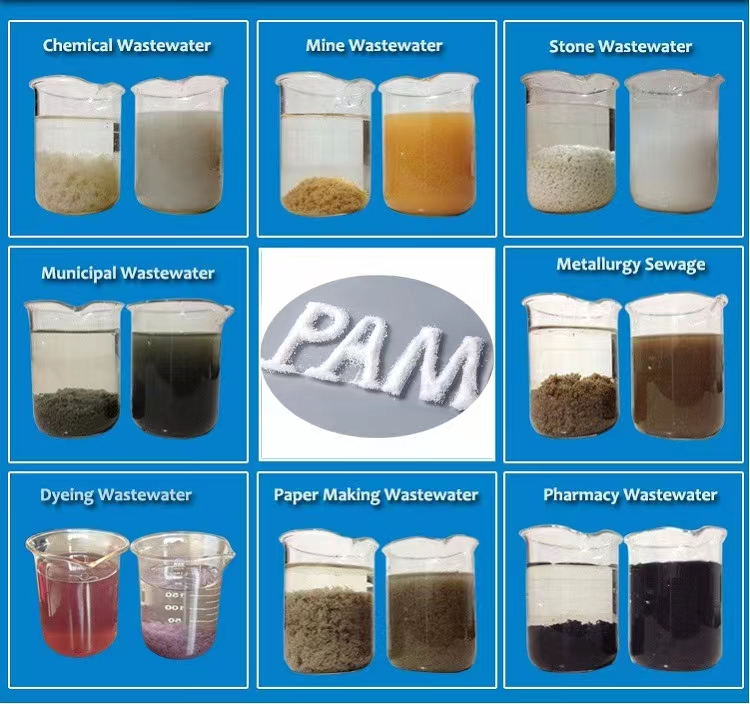
Wastewater Treatment: Anionic types are used for suspended particle flocculation, while cationic types are suitable for sludge dewatering.
Oil Extraction: Improves oil recovery efficiency by reducing fluid friction.
Paper Industry: Used as a paper strengthening agent and wastewater treatment agent.
Specific Functions PAM reduces the surface potential of suspended solids by compressing the double layer, promoting particle aggregation to form flocs, and accelerating sedimentation and separation of pollutants. The acyl groups on its molecular chain can form bridges with suspended particles, significantly enhancing flocculation.
Application Scenarios Plywood production wastewater often contains organic contaminants such as lignin and adhesive residues, as well as suspended solids. PAM can effectively remove these impurities and improve water quality.
Precautions Select the type of PAM (e.g., anionic, cationic, or nonionic) based on the wastewater composition. Avoid adding dry powder directly; it is recommended to first dissolve it in a 0.1%-0.3% aqueous solution.
* Temperature and pH may affect performance* therefore, it is recommended to determine the optimal dosage through experimentation.
Today I shared a video of the cationic PAM working in the pig farm sewage on Youtube. Hope you can give me a like. Thank you.
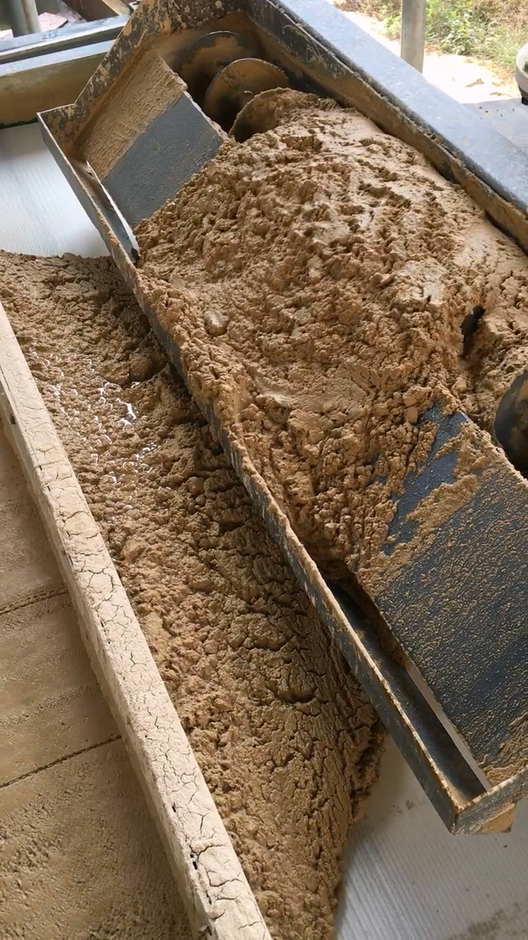
Poultry farm sewage is smelly, but after flocculation, the final sludge can be buried underground and finally enrich the soil. What we do is a virtuous cycle process benefit the earth. Let’s talk more.
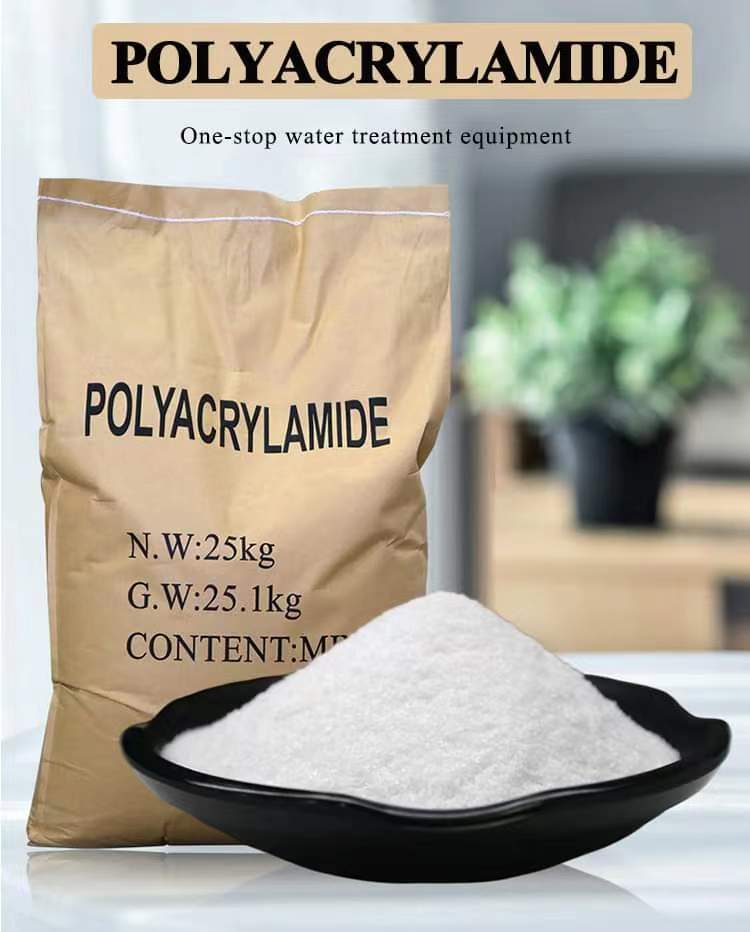
Today I hope to recommend our Cationic polyacrylamide for you, premium performance at very competitive price.
The cationic polyacrylamide
6-12 million molecular weight
positive charge, suitable for waste water with high organic colloid content in dyeing, paper making, food, construction, porcessing, field, aquatic industries
Best suitable for sewage, sludge dewatering
easy soluble in water, non-toxic, colorless and tasteless
Please contact Rita for more details. rita@xinqipolymer.com
By Rita +86-17737518864 Wastewater treatment demands as much attention, and the need for integrated solutions, as other processes within your operation. There are not many other processes that have so much variability in the input, yet a consistent, high quality output is requested.
Wastewater Treatment Overview We understand that effective primary waste water treatment is critical to your plant operations, whether you are discharging directly to a municipal wastewater treatment system or treating prior to your own wastewater treatment system. Optimizing the performance of treatment chemicals and equipment can dramatically minimize overall costs and maximize your return on investment, and that’s what we can offer for you.
Solids dewatering is the second-highest cost area in a wastewater treatment plant, second only to electrical utility costs. Effectively optimizing the performance of dewatering equipment and chemicals can dramatically minimize the total cost of operation and maximize your return on investment. Our cationic polyacrylamide products with perfect performance can greatly help you dispose the sludges efficiently.
Our wastewater chemical typically focus on the following and can help you with:
Impressed by the words of Mr. Lalith Liyanage, Ph.D P.EngNational Technical Director – Wastewater, WSP in Canada:”Understanding technology and having the tools to recover valuable resources from wastewater, will empower the operators not only to protect environment, reduce environmental footprint but also make wastewater treatment more affordable and in some cases profitable.”
Like the Director said, the technology is used to recover the most valuable resource—water in this planet, that’s the meaning of the development of technology, and also the meaning of our work.
Polyacrylamide is the trend of development. Its working with PAC or PSF products can provide outstanding result in the water treatment plant. More clearer water obtained, safer and more beautiful our world will be. Let’s work together~