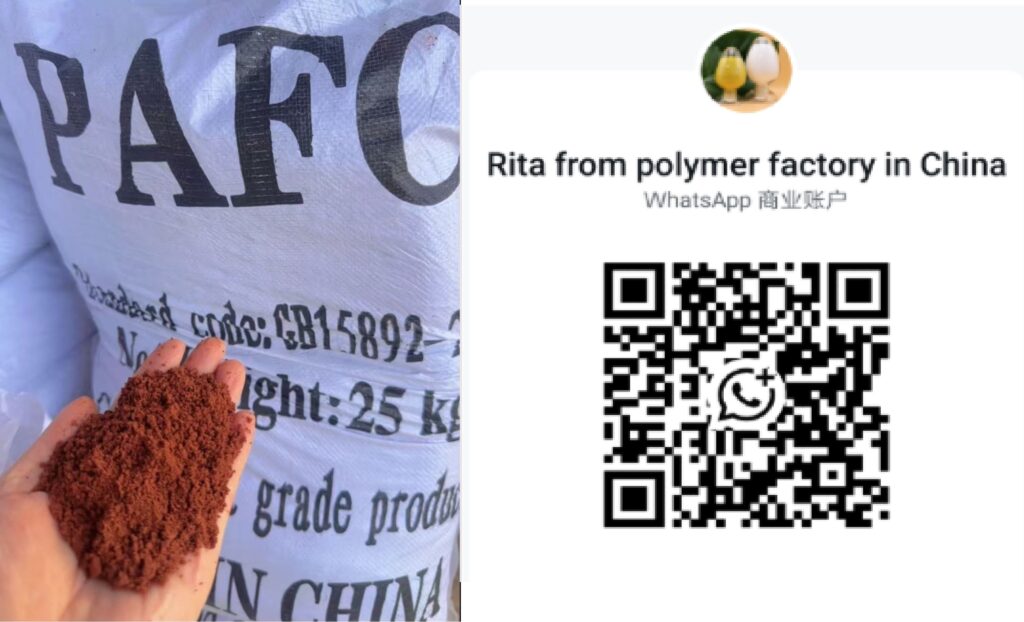
Today let’s talk about the new wastewater treatment chemical: PAFC. It’s full name is polyaluminium ferric chloride, an inorganic polymer coagulant, used in water treatment and purification.
Composition and Structure PAFC is a composite of aluminum and iron salts, combining the advantages of both, improving coagulation performance through synergistic synergy. Its molecular formula is [Al₂(OH)ₙCl₆-ₙLₘ], where m represents the degree of polymerization and n represents the neutrality of the product.
Key Features Highly Efficient Coagulation: It exhibits a high degree of electrical neutralization and bridging effects on colloids and particulates in water, effectively removing micro-toxic substances and heavy metal ions.
Wide Application: It is particularly suitable for treating high-turbidity water and low-temperature, low-turbidity water, without the need for additional alkaline additives or coagulants.
Safety: As an inorganic polymer, it is non-toxic and non-polluting, meeting environmental requirements.
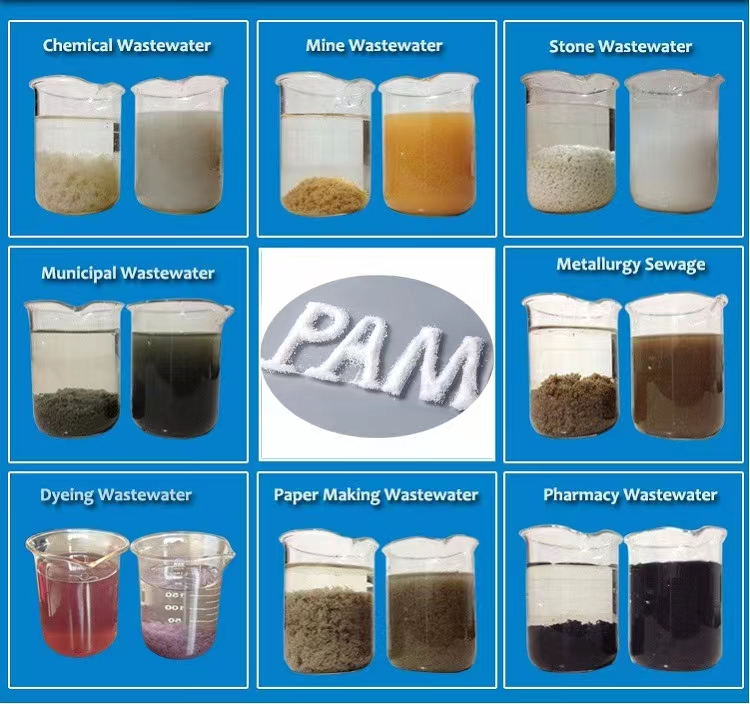
Application Scenarios Mainly used for drinking water purification, industrial wastewater (such as printing and dyeing wastewater and oily wastewater), municipal sewage, and special water treatment (such as removing pollutants such as cadmium and fluoride).
Here we’d like to share a video of acidic wastewater treatment in industrial field. We have anionic polyacrylamide, cationic polymer and non-ionic polymer for different water treatment. For more details, hope you can contact me by email rita@xinqipolymer.com or Whatsapp +86-17737518864.
Today we’ll dispose an industrial wastewater. First let’s check the PH value, now we see it’s around PH3-4, acid. So now we add sodium hydroxide to neutralize. And then we add PAC to coagulate the particles. Finally CPAM is added. And the flocs will seperate in the water and we can get the cleaner water for next step.
Wastewater treatment doesn’t only need anionic polyacrylamide. For different application, we have different polymers for your application. We can send samples for your testing or the waste water can be sent to China to be tested in our lab, if you’re not too far from China. Welcome to contact Rita for more details.
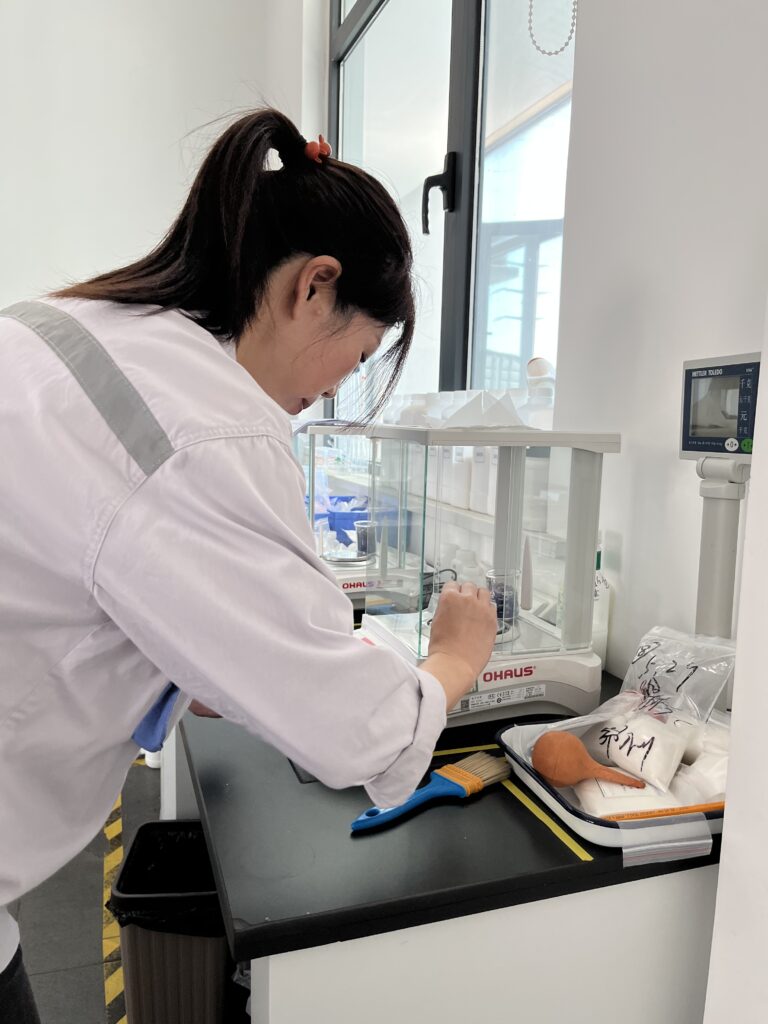
Thanks for our client’s trust, they send their present polyacrylamide sample to us for a comparison test. We would like to provide a clear, technical explanation of the observable differences between the two products, which we believe highlights the superior quality and reliability of our offering.
Key Observations from the Dissolution Test:
1.Viscosity:
•Our Product: Exhibits a characteristically high viscosity. This is a direct indicator of a high effective polymer chain elongation in solution. High molecular weight is crucial for optimal performance in applications such as flocculation, sedimentation, and dewatering, as it creates a stronger network to capture and pull down solids.
•Client’s Sample: Shows significantly lower viscosity. This suggests a lower molecular weight, which can result in reduced efficiency and higher dosage requirements to achieve the same effect, ultimately affecting your operational costs.
2.Solubility & Residue:
•Our Product: Dissolves completely, leaving no visible residue in the beaker. This demonstrates a high purity level and excellent solubility. Complete dissolution ensures that 100% of the product is active and contributing to the process, preventing clogging of filters and injection systems.
•Client’s Sample: Leaves a significant amount of insoluble residue at the bottom of the beaker. This residue typically consists of cross-linked polymer (gel balls), impurities, or filler materials. These inactive components represent wasted product, can cause blockages in equipment, and reduce the overall efficiency of your process.
What This Means for Your Operations:
The differences observed are not minor; they are fundamental to the product’s quality and manufacturing process.
•Our high viscosity and complete solubility are the result of advanced polymerization technology and a strict quality control process that ensures a consistent, high-purity product with a well-defined molecular structure.
•The low viscosity and high residue in the other sample often indicate one or more of the following: the use of lower-grade raw materials, less controlled manufacturing conditions, or the intentional addition of inert fillers (e.g., salts) to increase product weight. This is a common cost-cutting measure that directly compromises performance.
Conclusion:
Our product is engineered for maximum efficiency and reliability, ensuring you get full value from every kilogram purchased. The complete dissolution means no product waste and a lower risk of operational issues, while the high viscosity guarantees effective performance at optimal dosage rates.
We are confident that a full-scale trial will demonstrate not only the superior performance of our polyacrylamide but also the potential for process improvement and cost savings for your company.
We are ready to discuss these findings further and arrange the next steps at your convenience.
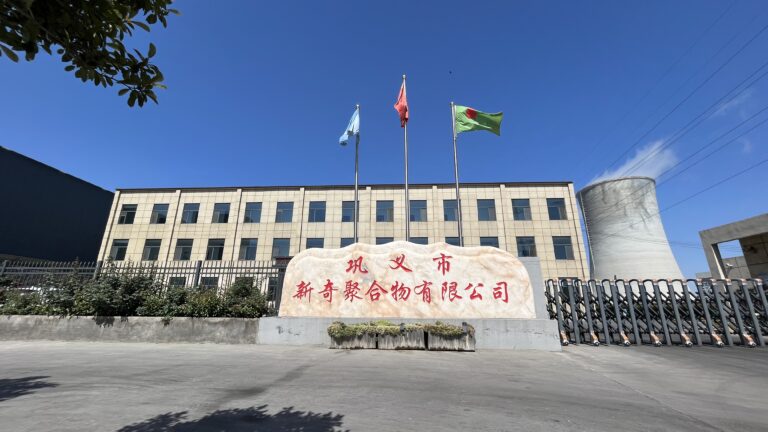
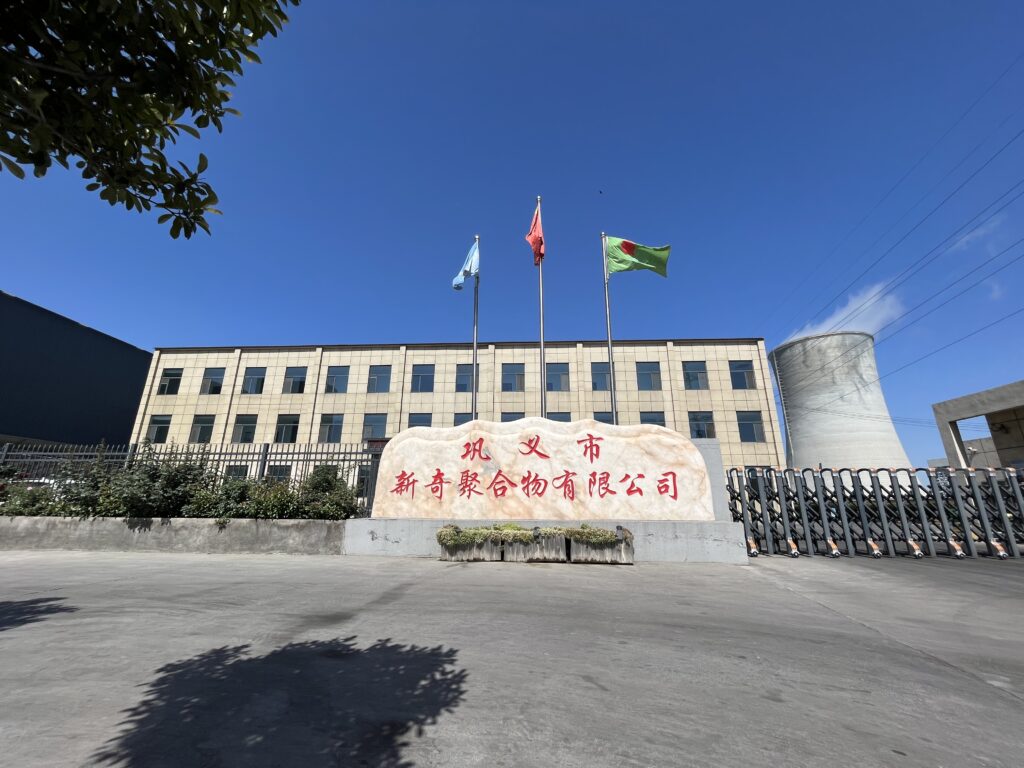
Gongyi Xinqi is a trusted factory in producing of high-performance specialty chemicals, with a primary focus on wastewater treatment, process chemicals, and polymers. With a commitment to environmental sustainability and technical innovation, we serve industries ranging from textiles, dyes and paper to food processing, pharma, municipal water treatment plants, ETPs and CETPs.
We’d been keen on offering customized chemical solutions backed by technical support, consistent quality, and timely delivery. Our products are developed to meet stringent global quality standards, ensuring both performance and compliance.
The main differences between sodium polyacrylate and polyacrylamide lie in their chemical structure, ionic properties, and application areas. Sodium polyacrylate is an anionic surfactant, while polyacrylamide can exhibit anionic, cationic, or nonionic properties, depending on the type. They are suitable for applications such as dispersing and scale inhibition and flocculation and thickening, respectively.
Differences in Chemical Structure and Ionic Properties
Chemical Composition Sodium polyacrylate: Produced by polymerization of acrylic acid followed by neutralization, its chemical formula is (C₃H₃NaO₂)ₙ. Its molecular structure contains sodium carboxylate groups (-COONa), making it a polymer electrolyte.
Polyacrylamide (PAM): Produced by polymerization of acrylamide monomers, its chemical formula is (C₃H₅NO)ₙ. Its backbone contains amide groups (-CONH₂), making it a linear polymer. Ionic Properties Sodium polyacrylate is an anionic surfactant, containing only negatively charged groups.
Polyacrylamide can be classified as anionic, cationic, nonionic, and zwitterionic based on its modification method, offering greater application flexibility.
Physical Properties and Functional Characteristics Solubility and Viscosity Sodium polyacrylate forms an extremely high-viscosity liquid (a 0.5% solution has a viscosity of approximately 1 Pa·s) when dissolved in water. It is stable to temperature fluctuations, but will precipitate when the pH is < 4.
Polyacrylamide has a relatively low viscosity when dissolved, but exhibits excellent flocculation properties, making it particularly suitable for use in neutral to alkaline environments.
Stability and Safety Sodium polyacrylate readily forms a gel precipitate when exposed to divalent or higher-valent metal ions, and the powder may irritate the eyes and skin.
Polyacrylamide may hydrolyze at high temperatures or in strong acidic conditions, and some types are biotoxic, so use with caution. Application Comparison Sodium polyacrylate Water treatment: Used as a scale inhibitor and dispersant to prevent scale buildup in pipes.
Food industry: Used as a dough conditioner to improve food elasticity and preserve freshness.
Cosmetics: Used as a thickener and moisturizer, commonly found in lotions and gels.
Polyacrylamide
Wastewater Treatment: Anionic types are used for suspended particle flocculation, while cationic types are suitable for sludge dewatering.
Oil Extraction: Improves oil recovery efficiency by reducing fluid friction.
Paper Industry: Used as a paper strengthening agent and wastewater treatment agent.
Specific Functions PAM reduces the surface potential of suspended solids by compressing the double layer, promoting particle aggregation to form flocs, and accelerating sedimentation and separation of pollutants. The acyl groups on its molecular chain can form bridges with suspended particles, significantly enhancing flocculation.
Application Scenarios Plywood production wastewater often contains organic contaminants such as lignin and adhesive residues, as well as suspended solids. PAM can effectively remove these impurities and improve water quality.
Precautions Select the type of PAM (e.g., anionic, cationic, or nonionic) based on the wastewater composition. Avoid adding dry powder directly; it is recommended to first dissolve it in a 0.1%-0.3% aqueous solution.
* Temperature and pH may affect performance* therefore, it is recommended to determine the optimal dosage through experimentation.
Today I shared a video of the cationic PAM working in the pig farm sewage on Youtube. Hope you can give me a like. Thank you.
Poultry farm sewage is smelly, but after flocculation, the final sludge can be buried underground and finally enrich the soil. What we do is a virtuous cycle process benefit the earth. Let’s talk more.
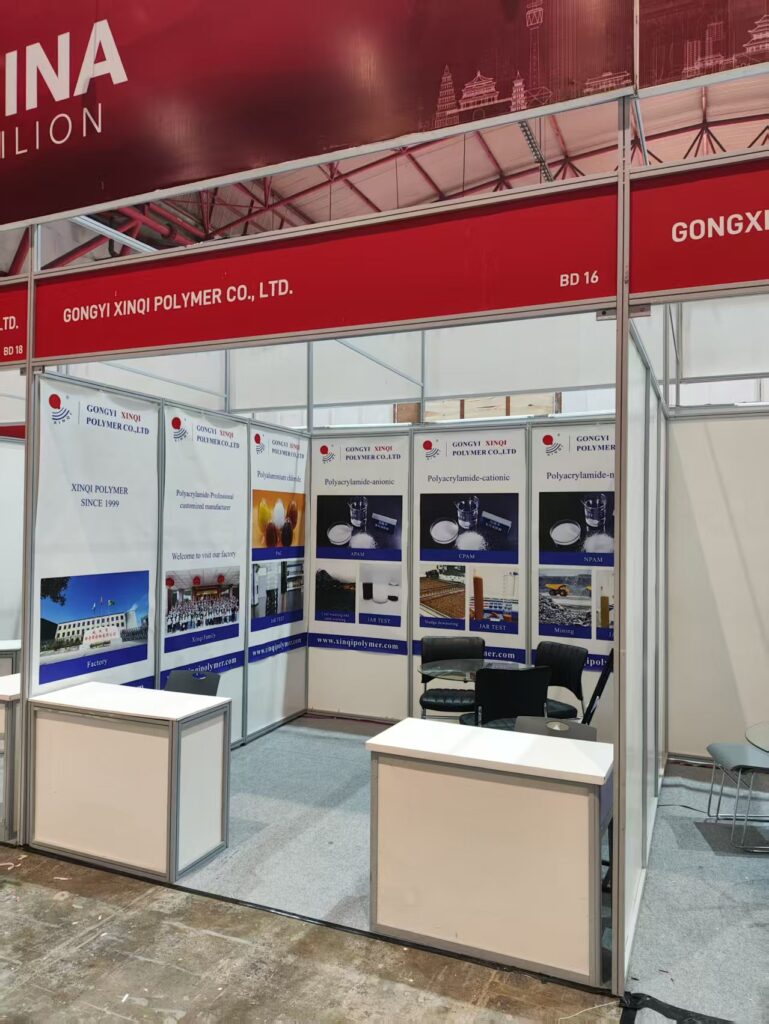
We are thrilled to reflect on an incredibly successful participation at the recent Indowater Expo in Jakarta! Our team had a wonder experience there and took the chance to visit many valued customers from across the region.
At our booth, we displayed our best selling polymers, like the cationic polyacrylamide products of different ionic degrees with very competitive price, which we’re so proud to have the compliments from clients came to our booth, also the widely used anionic polyacrylamide models, working best with the PAC products (polyaluminum chloride). Though we only have limited models of on-ionic polyacryamides, they’re all selling pretty good. The enthusiasm and interest from attendees reaffirmed the growing demand for our products in the Indonesian market.
We extend our heartfelt gratitude to everyone who visited us, shared insights, and expressed interest in our offerings. Your engagement has inspired us to continue pushing the boundaries of excellence.
While the great opportunities brought by the exhibition, we hope to meet more friends in all the other exhibitions all around the world. We are excited to follow up on the connections we made and explore new avenues for growth together. Our aim is to serve you the best suitable polyacrylamide products for water treatment and sludge dewatering for your factories. Let’s meet and talk how to protect our world–the earth.
Please kindly stay focused on our updates of the coming journey, while as we continue to bring innovative solutions to Indonesia and beyond!
Please contact Rita for more details. Many specs for option. Free sample for testing. Welcome to visit our factory in Gongyi, Zhengzhou city, Henan Province, China.
PAM and PAC is the best partner:
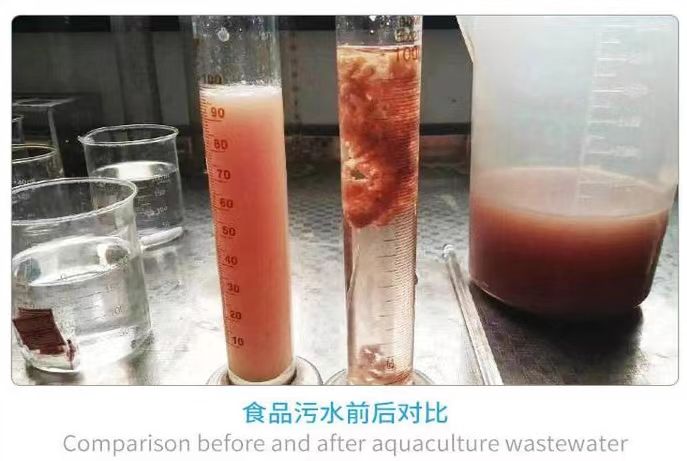
By scientifically using the combination of PAC and PAM, we can more effectively neutralize the charge first and then bridge and flocculate, the sedimentation rate is increased several times, the sludge is easier to dewater, and the cost is reduced by 30% – an efficient golden combination for industrial wastewater treatment.
PAC can only make particles clump together, i.e. microflocs, the precipitation effect is slow and the water is still turbid. While PAM, its adsorption bridging is the key, linear property is like a large net to capture precipitation into large and dense flocs and accelerate sedimentation.
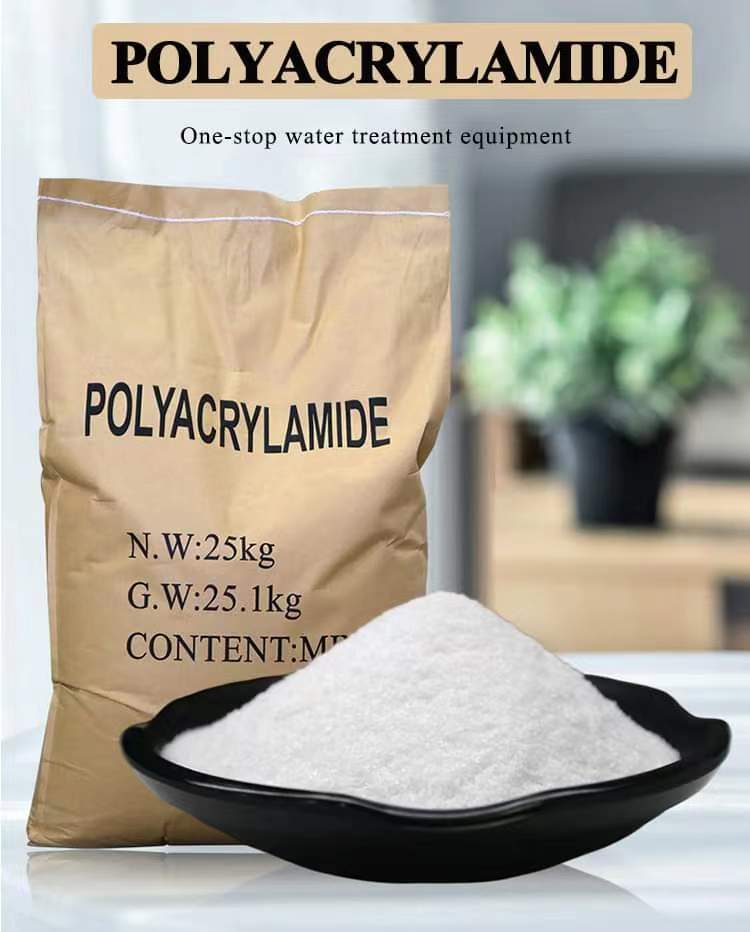
Package: Net 25kg / kraft paper bag with inner plastic bag or as customized
As a leading manufacturer of polyacrylamide (PAM) in China, we, Gongyi Xinqi Polymer Co., Ltd., understand the critical role of coagulation and flocculation in water and wastewater treatment. These processes are essential for removing suspended solids, organic matter, and other contaminants, ensuring cleaner, safer water for industrial, municipal, and environmental applications.
Why Choose Our Polyacrylamide Products?
Our high-performance PAM coagulants and flocculants are designed to optimize water treatment efficiency by: ✔ Improving sedimentation & filtration – Accelerate particle aggregation for faster separation. ✔ Reducing sludge volume – Lower disposal costs and environmental impact. ✔ Enhancing clarity & quality – Achieve superior turbidity removal and contaminant reduction.
Applications Across Industries
Municipal wastewater treatment – Efficiently remove phosphates, heavy metals, and organic pollutants.
Industrial wastewater – Ideal for mining, textiles, oil & gas, and chemical processing.
Drinking water purification – Safe, NSF-certified options available.
Sludge dewatering – Easier and more cost-effective to remove water from sludge in order to minimize its volume for future transportion, storage and disposal.
Work with a Trusted PAM Supplier
With advanced production technology and strict quality control, we ensure high purity, stability, and cost-effectiveness in every batch. Let us help you optimize your treatment process while reducing operational costs.
Contact us today to discuss your coagulation & flocculation needs and request a free sample!
Rita 📞 +86-15638562825 or Whatsapp: +86-17737518864 (or scan QR code above)
| 🌐 www.xinqipolymer.com | ✉ rita@xinqipolymer.com Innovating Water Treatment Solutions with Polyacrylamide Excellence.
Here shows a waste water treatment video from paper pulp mill plant.