PAM solution offers a smart solution for piling wastewater treatment, efficiently flocculating suspended solids and reducing sludge volume. Its advanced polymer technology ensures rapid sedimentation, clearer effluent, and compliance with environmental standards. Ideal for construction sites, this cost-effective solution enhances water recycling and minimizes ecological impact. Choose the correct PAM for sustainable piling operations, please contact Rita for more info.
#PAM #flocculation #piling #polyacrylamide
——————————————–
Gongyi Xinqi Polymer Co., Ltd
www.xinqipolymer.com
Whatsapp: wa.me/8617737518864
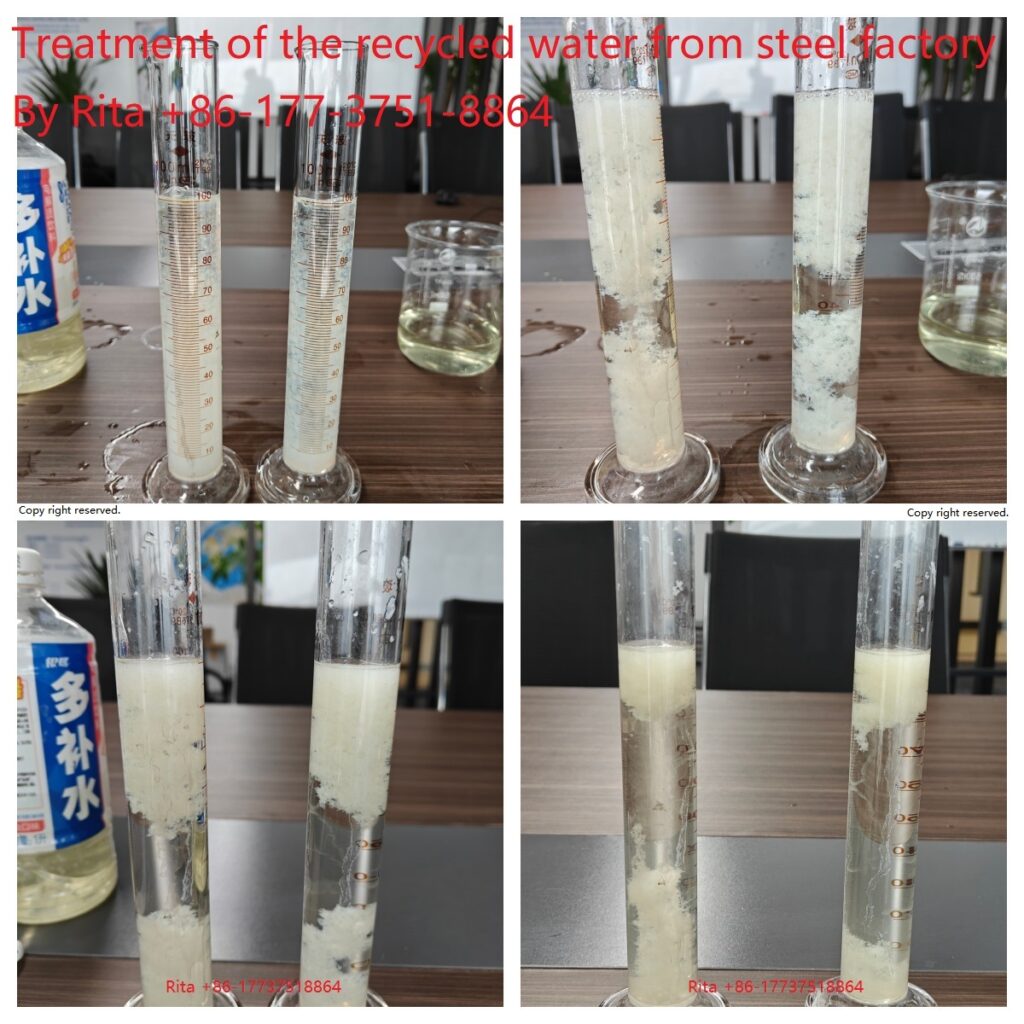
This week, our team achieved remarkable results for a client in the steel industry. Faced with challenging wastewater streams—including black water and light white water—we applied a minimal amount of our advanced polyacrylamide chemicals. To everyone’s amazement, just a few drops were enough to clarify the water, restoring it to crystal-clear quality with unmatched efficiency.
Why settle for traditional methods when our polyacrylamide solutions offer:
✅ Rapid clarification – Minimal dosage, maximum impact.
✅ Industry-proven performance – Trusted by steel and heavy industrial sectors.
✅ Cost-effective sustainability – Reduce chemical usage and operational costs.
Whether you’re dealing with complex industrial waste or seeking a smarter treatment approach, our polyacrylamide technology delivers reliable results.
Ready to transform your wastewater process? Contact Rita today for tailored solutions and expert guidance. Let’s make clarity happen—one drop at a time!
[Real Polyacrylamide factory——Xinqi Polymer] – Innovating for a cleaner future.
#flocculant #steelWasteWater #polyacrylamide #waterChemical
Tired of cloudy water? Liquid polyacrylamide (PAM) is the instant solution! Tired of murky water? Polyacrylamide (PAM) liquid is your instant solution! Just a few drops neutralize suspended particles, forming fast-settling flocs. Ideal for industrial wastewater, emergency purification, or home use. Safe, efficient, and eco-friendly—transform cloudy water into crystal-clear brilliance effortlessly. Try PAM today and experience the power of modern chemistry!
—————–Portuguese——————
Cansado de água turva? O poliacrilamida (PAM) líquido é a solução instantânea!
Apenas algumas gotas neutralizam as partículas em suspensão, formando flocos de rápida sedimentação. Ideal para efluentes industriais, purificação emergencial ou uso doméstico. Seguro, eficiente e ecológico — transforme água turva em água cristalina sem esforço. Experimente o PAM hoje mesmo e sinta o poder da química moderna!
—————-Spanish—————————
¿Cansado del agua turbia? ¡La poliacrilamida líquida (PAM) es la solución inmediata!
¿Cansado del agua turbia? ¡El líquido de poliacrilamida (PAM) es la solución inmediata! Unas gotas neutralizan las partículas en suspensión, formando flóculos de sedimentación rápida. Ideal para aguas residuales industriales, purificación de emergencia o uso doméstico. Seguro, eficiente y ecológico: transforma el agua turbia en un agua cristalina sin esfuerzo. ¡Prueba PAM hoy mismo y experimenta el poder de la química moderna!
—————–Arabic———————————–
هل سئمت من الماء العكر؟ سائل بولي أكريلاميد (PAM) هو الحل الأمثل! هل سئمت من الماء العكر؟
سائل بولي أكريلاميد (PAM) هو الحل الأمثل! بضع قطرات فقط تُعادل الجزيئات العالقة، مُشكّلةً رواسب سريعة الترسيب. مثالي لمياه الصرف الصناعي، والتنقية الطارئة، أو للاستخدام المنزلي. آمن، وفعّال، وصديق للبيئة: يُحوّل الماء العكر إلى ماء نقيّ تمامًا بكل سهولة. جرّب PAM اليوم واكتشف قوة الكيمياء الحديثة!
Merry Christmas & happy New Year! Hope to work with you on wastewater treatment program in 2026~#wastewaterTreatment #waterChemical #flocculant #pam #pac
Here shares the holiday in China 2026:
2026 Chinese holiday listing:
New Year———————3 days————-Jan. 01-03
Spring Festival—————-9 days————-Feb.15-23
Tomb sweeping day———-3 days————-Apr. 04-06
Labors’ Day——————–5 days————-May 01-05
Dragon boat Festival———-3 days————-Jun.19-21
Mid-Autumn Day————–3 days————-Sep. 25-27
National Day——————-7 days————-Oct.01-07
Let’s talk~ Let’s cooperate~
Rita wa.me/8617737518864
English Content:
Paper mill wastewater can be effectively treated with polyacrylamide (PAM), a flocculant that binds suspended solids for easy removal. The process involves adding PAM to clarify water, reducing sludge volume, and enhancing filtration. PAM ensures cost savings, compliance with environmental regulations, and improved water recyclability. Ideal for sustainable paper production, this method minimizes ecological impact while boosting operational efficiency.
Conteúdo em português:
As águas residuais de fábricas de papel podem ser tratadas eficazmente com poliacrilamida (PAM), um floculante que liga sólidos em suspensão, facilitando sua remoção. O processo envolve a adição de PAM para clarificar a água, reduzir o volume de lodo e melhorar a filtração. A PAM garante economia de custos, conformidade com as normas ambientais e maior reciclabilidade da água. Ideal para a produção sustentável de papel, esse método minimiza o impacto ambiental e aumenta a eficiência operacional.
Contenido en español:
Las aguas residuales de las fábricas de papel se pueden tratar eficazmente con poliacrilamida (PAM), un floculante que fija los sólidos en suspensión para facilitar su eliminación. El proceso consiste en añadir PAM para clarificar el agua, reducir el volumen de lodos y mejorar la filtración. La PAM garantiza ahorros de costes, el cumplimiento de la normativa ambiental y una mayor reciclabilidad del agua. Ideal para la producción sostenible de papel, este método minimiza el impacto ecológico a la vez que aumenta la eficiencia operativa.
المحتوى العربي:
يمكن معالجة مياه الصرف الصحي الناتجة عن مصانع الورق بفعالية باستخدام بولي أكريلاميد (PAM)، وهو مادة مُركّبة تربط المواد الصلبة العالقة لتسهيل إزالتها. تتضمن العملية إضافة بولي أكريلاميد لتنقية المياه، وتقليل حجم الرواسب، وتحسين الترشيح. يضمن بولي أكريلاميد توفير التكاليف، والامتثال للوائح البيئية، وتحسين قابلية إعادة تدوير المياه. تُعد هذه الطريقة مثالية لإنتاج ورق مستدام، حيث تقلل من التأثير البيئي مع تعزيز الكفاءة التشغيلية.
منتجاتنا منخفضة الكاتيونات أكثر فعالية في هذا النوع من مياه الصرف الصحي لمصانع اللب. تواصل مع ريتا لمزيد من التفاصيل. wa.me/8617737518864
مُرَكِّب #كاتيون #تخثر #ورق #مياهصرفصحي
Last time, I shared our loading PAM on pallet by man force. This time, let’s see how automatic loading machine works. For more info of polyacrylamide, hope you can try me: wa.me/8617737518864
Polyacrylamide (PAM) is classified into four types based on its ionic properties:
Anionic: Suitable for neutral/alkaline environments, with significant effects on inorganic sludge (such as sand washing wastewater).
Cationic: Used for dewatering organic sludge (such as municipal sewage), neutralizing negatively charged particles with positive charges.
Nonionic: Low molecular weight, Suitable for neutral or acidic wastewater, using hydrogen bonding for adsorption and flocculation.
Amphoteric: Contains both positive and negative charged groups, suitable for complex water qualities (such as industrial wastewater).
For so many years selling, the APAM, CPAM and NPAM are widely used, welcome to contact Rita for more details. wa.me/8617737518864
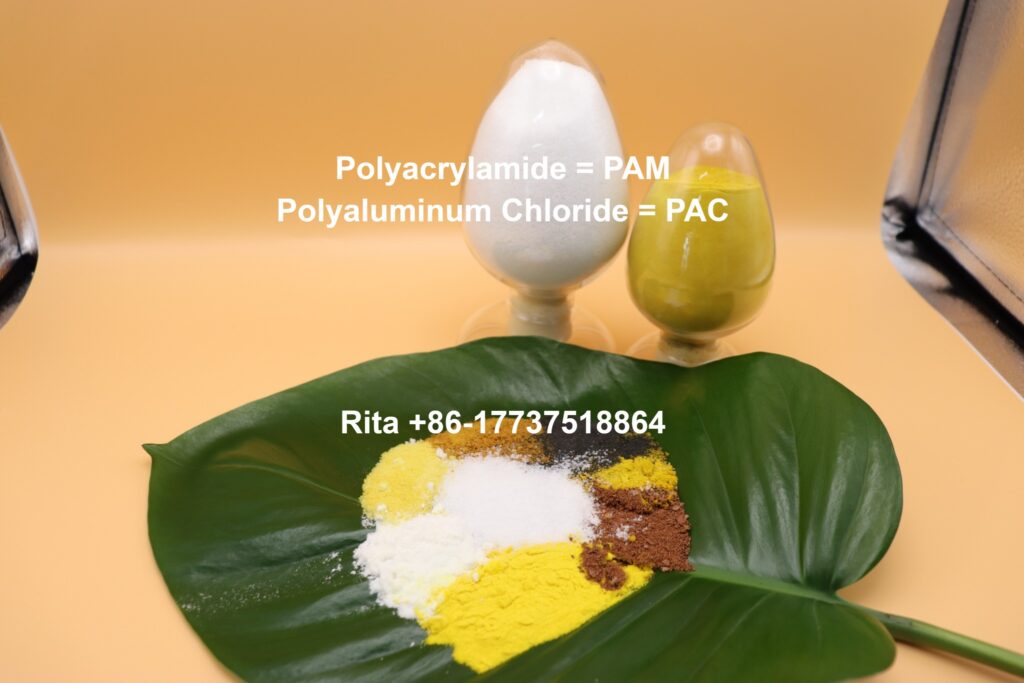
We’re a polyacrylamide factory in central China, for 26 years, we focus on producing the anionic and cationic polyacrylamide and non-ionic types, mainly used for wastewater treatment and sludge dewatering. Premium performance at competitive price.
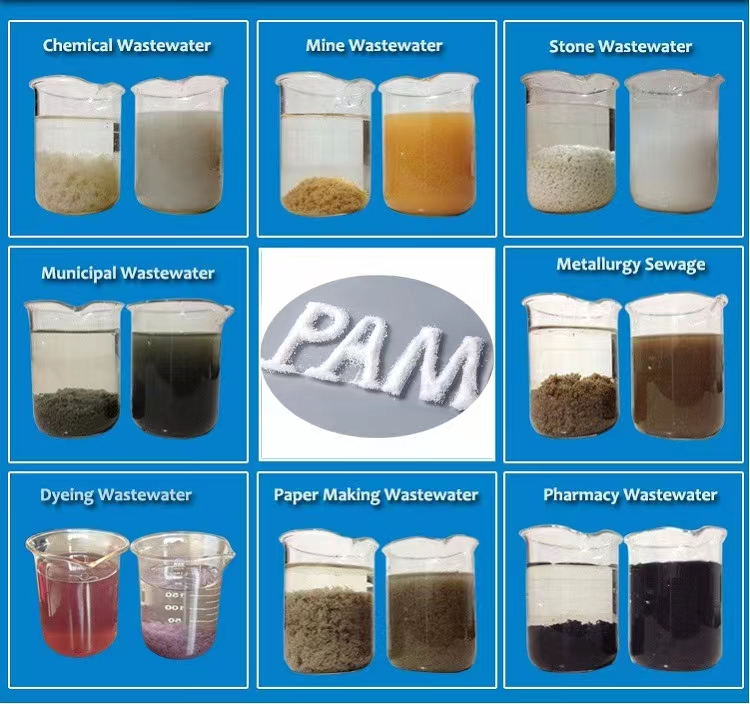
Polyacrylamide is highly recommended in wastewater treatment due to its unique properties and effectiveness in various applications. Here’s why it stands out:
1. Superior Flocculation Performance
Polyacrylamide is widely used as a flocculant in wastewater treatment. It works by causing smaller particles to coalesce into larger flocs, which can then be easily separated from water through sedimentation or filtration5. This process is crucial for removing suspended solids, organic matter, and even some heavy metals from wastewater.
2. Biocompatibility and Safety
Unlike some chemical flocculants, polyacrylamide is non-toxic and non-biodegradable, making it safe for use in water treatment systems1. Its inert nature ensures minimal environmental impact, and it does not produce harmful byproducts during the treatment process.
3. Versatility and Efficiency
Polyacrylamide is effective across a wide range of wastewater types, including industrial effluents and municipal sewage. It can be tailored to specific needs by adjusting its molecular weight and charge, enhancing its ability to target different pollutants5. This adaptability makes it a preferred choice for both large-scale and specialized treatment applications.
4. Longevity and Cost-Effectiveness
Polyacrylamide-based treatments are known for their durability, often requiring less frequent reapplication compared to other flocculants1. This reduces operational costs and maintenance efforts, making it a cost-effective solution for long-term wastewater management.
5. Environmental and Regulatory Compliance
With increasing regulatory scrutiny on water quality, polyacrylamide’s safety profile and efficiency help facilities meet stringent environmental standards3. Its use aligns with sustainable practices by enabling the recovery and reuse of treated water.
In summary, polyacrylamide’s combination of effectiveness, safety, and adaptability makes it a highly recommended choice for modern wastewater treatment systems.
Let’s talk more about it: wa.me/8617737518864
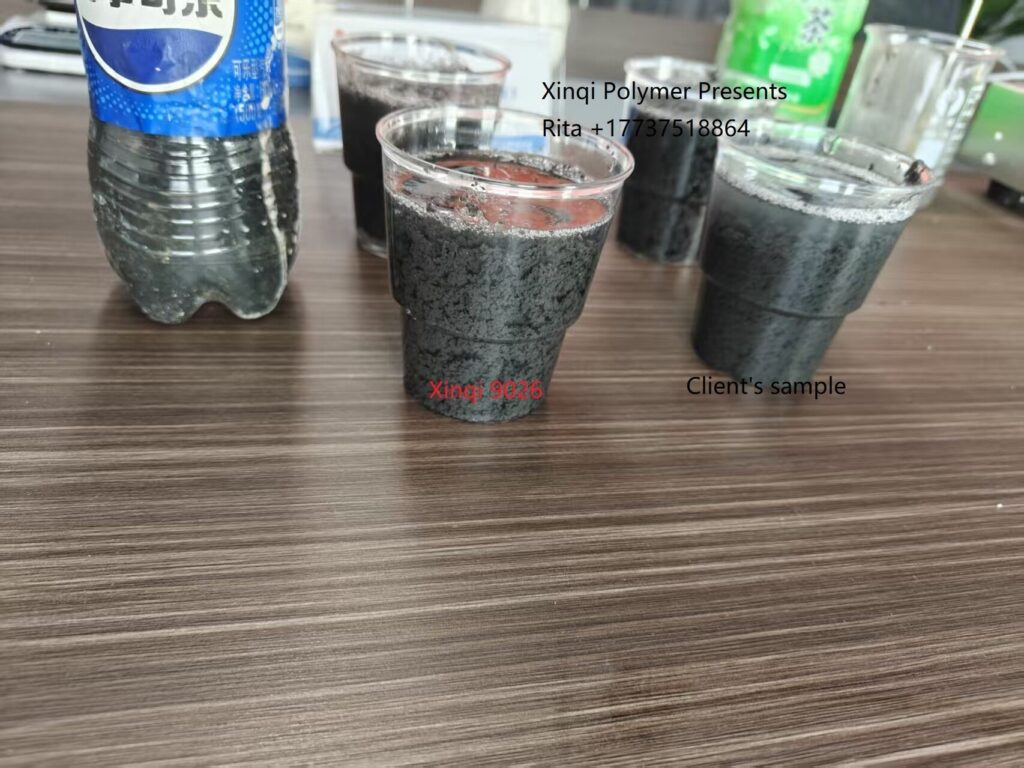
Today’s comparison test of paper mill wastewater: The client’s sample also flocculate, but very small floc and creaming fast showing its unstable character. For our 20% ionic floculant, the floc is big and stable, good for sludge dewatering. Welcome to inquire more details. Or contact Rita at: wa.me/8617737518864
#sludge dewatering
#paper mill
#wastewater treatment
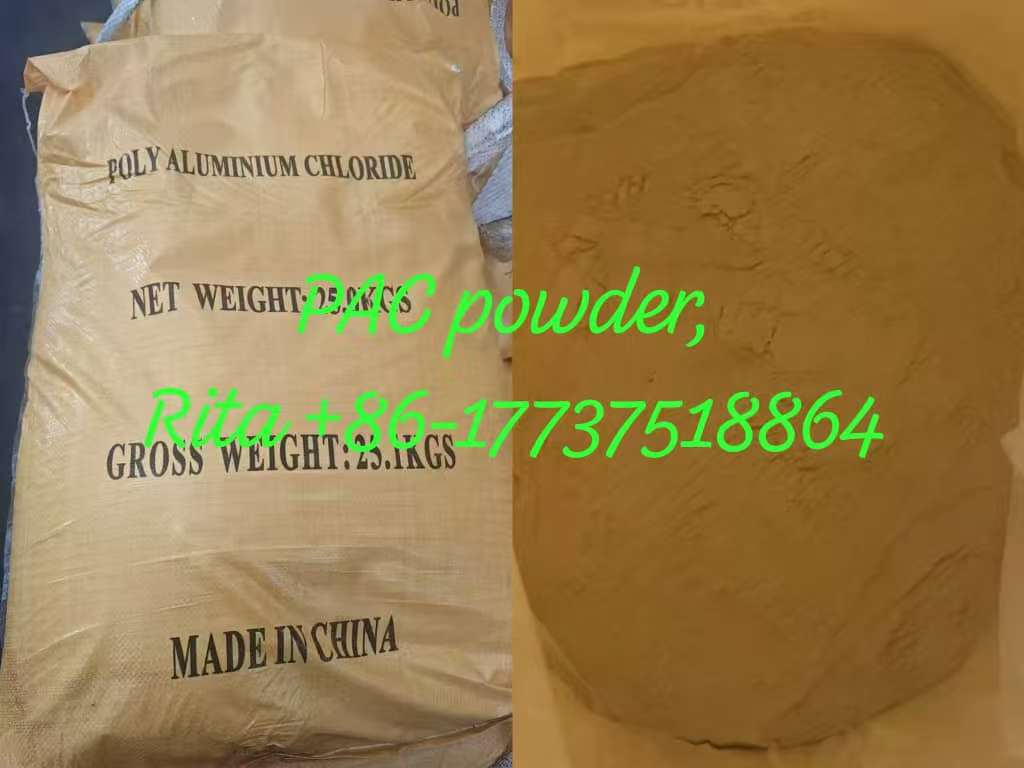
Dear friends, this is Rita from a 26-year experienced Polymer factory in China, selling PAM +PAC chemicals for wastewater treatment.
Today I’d like to share some about PAC.
PAC products are widely used coagulant, but color, valid content may be varied at different price.
For the same industrial Grade, if the weight varies, then:
- light cargo, valid content a bit lower, can only load 20-21 tons;
- heavy cargo, valid content higher, can load 25-26 tons;
- valid content differ will lead to more dosage of chemical; If you can accept this cost, then it’s ok to buy lower price products.
- But for international business, the freight is expensive esp. for PAC chemical. In my view, it’s better to use high content chemical with more container loadability. Freight per ton V.S. chemical price margin per ton
Hope you can contact Rita on Whatsapp: wa.me/8617737518864 for more details.